
The medical device manufacturing sector operates under a level of regulatory scrutiny that makes every other industry look relaxed by comparison. FDA regulations, ISO 13485 quality management requirements, and the ever-present specter of product liability create a buying environment defined by extreme caution. For manufacturers who serve this sector, medical device manufacturing marketing must reflect this reality at every touchpoint. Your buyers are not just evaluating your technical capability — they are evaluating whether partnering with you could expose their company to regulatory risk.
This guide covers the specific strategies that help medical device contract manufacturers build the trust, demonstrate the compliance, and communicate the precision required to win and retain OEM contracts in this demanding sector.
Compliance as a Marketing Asset
In most industries, quality certifications are table stakes — the minimum requirement to be considered. In medical device manufacturing, your compliance credentials are your primary marketing asset. ISO 13485 certification, FDA registration, and any relevant cleanroom certifications (ISO Class 7 or 8) must be the centerpiece of your marketing message, not an afterthought buried in the “About Us” page.
Your website should have a dedicated “Quality & Compliance” section that functions as a digital audit package. Include your current ISO 13485 certificate (with expiration date), your FDA establishment registration number, your cleanroom classification and validation documentation, your corrective action and preventive action (CAPA) process overview, and your design history file (DHF) management capabilities. This transparency signals to medical device OEMs that you understand their regulatory environment and have already done the work to meet it.
Understanding the Medical Device Buyer
The buying committee for a medical device contract manufacturing relationship typically includes a regulatory affairs manager (who evaluates your FDA compliance and quality systems), a design engineer (who evaluates your technical capabilities and DFM expertise), a quality engineer (who evaluates your inspection capabilities and statistical process control), and a procurement manager (who evaluates pricing and supply chain stability).
Your marketing content must address all four personas. The regulatory affairs manager needs to see your compliance documentation. The design engineer needs to see your material capabilities and tolerance specifications. The quality engineer needs to see your inspection equipment list and your quality metrics. The procurement manager needs to see your financial stability and your on-time delivery record. A comprehensive B2B marketing strategy ensures each persona finds the information they need on your website.

Medical device buyers are not just evaluating your technical capability — they are evaluating whether you can protect their regulatory compliance.
Content Marketing: Demonstrating Regulatory Expertise
The most effective content for medical device manufacturers is content that demonstrates deep understanding of the regulatory environment. Blog posts and white papers on topics like “Design for Manufacturability in Class II Medical Devices,” “How to Prepare for an FDA Supplier Audit,” or “Biocompatibility Testing Requirements for Implantable Devices” signal to OEM buyers that you understand their world — not just the manufacturing side, but the regulatory side as well.
This level of regulatory and technical depth requires writers who understand both manufacturing and medical device regulations. Professional editorial services with specific medical device industry experience are essential for producing this type of content credibly.
Case Studies: The Proof That Closes Deals
In the medical device sector, case studies are even more powerful than in other industries because the stakes of a wrong supplier decision are so high. A detailed case study proving that you successfully manufactured 100,000 Class II implantable components with zero defects, maintained a complete device history record (DHR), and passed a customer quality audit with zero major findings is extraordinarily compelling to a medical device OEM evaluating you as a potential supplier.
Because NDAs are ubiquitous in this sector, use blind case studies that describe the device type and application without naming the client. Focus on the regulatory and quality challenges, your specific solutions, and the measurable outcomes. The technical and compliance details are what matter to the reader.
In medical device manufacturing, your case study is your clinical trial. It is the evidence that proves your process is safe, controlled, and reproducible — and that is exactly what your buyers need to see.
Digital Marketing for Medical Device Manufacturers
The digital marketing strategy for a medical device manufacturer must be built around the specific search behavior of medical device OEM buyers. They search for very specific capabilities: “ISO 13485 certified injection molding,” “cleanroom assembly medical devices,” “biocompatible material machining,” or “FDA registered contract manufacturer.”
Your industrial digital marketing strategy should target these high-intent, long-tail keywords with dedicated capability pages, optimized for both traditional search and AI search. As AI tools like ChatGPT and Perplexity become common research tools for medical device engineers, ensuring your content is structured to appear in AI-generated answers is increasingly important.
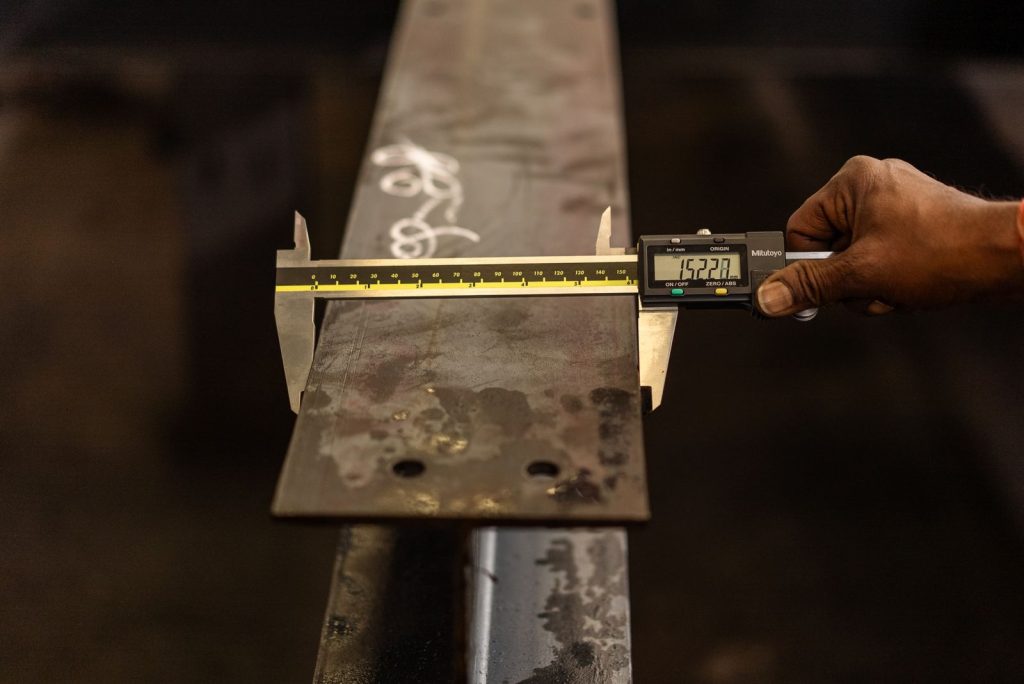
Medical device marketing requires demonstrating not just what you can make, but how you control and document every step of the process.
Ready to Win More Medical Device OEM Contracts?
Lillian Group Marketing helps medical device manufacturers build the digital presence and compliance-focused content strategy needed to pass the OEM supplier qualification process.
Schedule a Free Strategy CallFrequently Asked Questions
What is the most important certification for marketing to medical device OEMs?
ISO 13485 is the foundational requirement. FDA establishment registration is required for US-based manufacturers. For implantable or sterile devices, additional certifications (like ISO 11135 for sterilization) may be required depending on the specific application.
How do we market to medical device OEMs who have strict NDA requirements?
Use blind case studies that describe the device class and application without naming the client. Focus on your process capabilities, quality metrics, and regulatory compliance. The technical details are what matter to the buyer, not the client’s identity.
How long does it take to qualify as a medical device supplier?
The qualification timeline for a medical device supplier typically ranges from 12 to 36 months, depending on the device class and the OEM’s specific requirements. This includes quality system audits, first article inspections, process validations, and often a production trial run.
Should we specialize in a specific device category or offer broad medical manufacturing services?
Specialization is generally more effective for marketing purposes. A manufacturer that specializes in Class II orthopedic implant components can build deeper expertise, more relevant case studies, and more targeted marketing than a generalist. Specialization also commands higher margins.