The food manufacturing sector presents a unique set of marketing challenges. Unlike precision machining or aerospace manufacturing, where the buyer’s primary concern is technical capability, food manufacturing marketing must address a complex web of concerns: food safety certifications (SQF, BRC, FSSC 22000), regulatory compliance (FDA, USDA), allergen management, traceability systems, and the increasingly demanding sustainability and clean-label requirements of retail and food service buyers.
Whether you are a co-packer, a private label manufacturer, or a branded food producer selling B2B to distributors and food service operators, this guide covers the digital marketing strategies that drive growth in the food manufacturing sector.
The Unique Buyer in Food Manufacturing
The buyer profile in food manufacturing B2B is distinct from other industrial sectors. Your typical buyers include: retail private label buyers (who are evaluating your food safety certifications, production capacity, and cost competitiveness), food service distributors (who care about consistent quality, reliable supply, and competitive pricing), restaurant chains and institutional food service operators (who need custom formulations, specific packaging formats, and guaranteed supply), and branded food companies seeking co-packing partners (who need your production capacity, your certifications, and your ability to maintain their proprietary recipes confidentially).
Each of these buyer types has different priorities and requires different marketing messaging. Your B2B marketing strategy must be segmented accordingly.
Food Safety Certifications: Your Marketing Foundation
In food manufacturing, your certifications are not just quality credentials — they are the price of admission to most major retail and food service supply chains. SQF (Safe Quality Food) certification, BRC Global Standards, FSSC 22000, and USDA/FDA compliance must be prominently displayed on your website, in your sales materials, and in all digital marketing communications.
Create a dedicated “Food Safety & Certifications” page on your website that provides detailed information about your quality management system, your HACCP program, your allergen management procedures, and your traceability capabilities. Many major retail buyers will audit this page as part of their supplier qualification process. Treat it as a digital audit package, not just a marketing page.
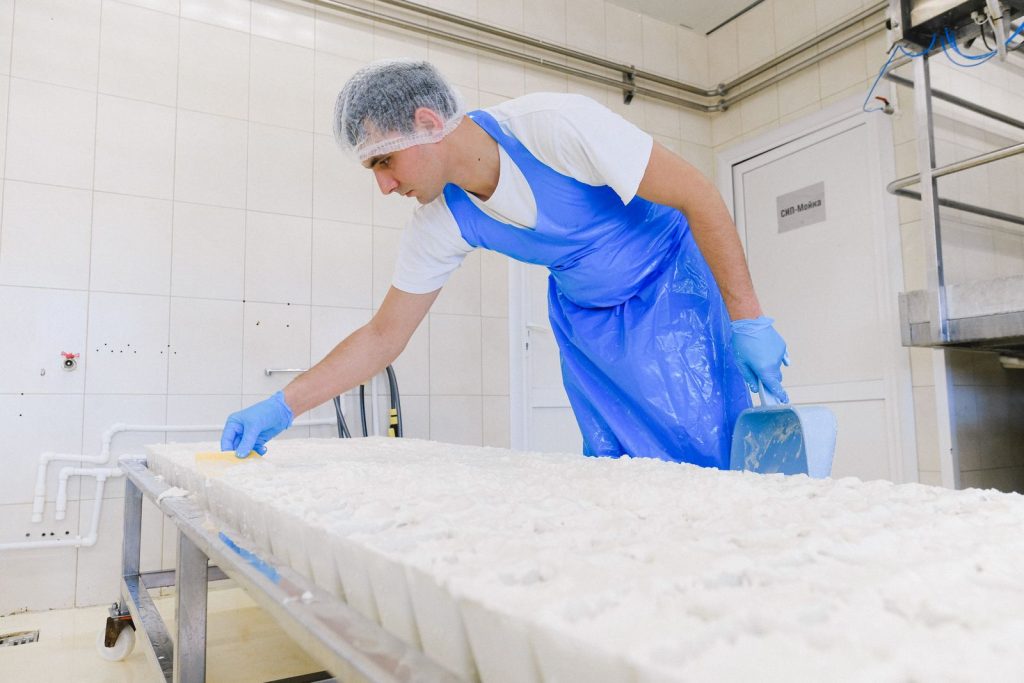
Food safety certifications are your marketing foundation — they must be prominently displayed and thoroughly documented on your website.
Content Marketing for Food Manufacturers
The most effective content for food manufacturers addresses the specific challenges and trends that their buyers are navigating. High-value content topics include: clean label formulation guides (addressing the growing demand for shorter ingredient lists), allergen management best practices, sustainability and packaging reduction strategies, private label trend reports, and supply chain resilience case studies.
This type of content positions your company as a knowledgeable partner rather than just a production facility. A retail buyer who finds a detailed guide on your website about clean label reformulation strategies will view you as a strategic resource, not just a commodity co-packer. Professional editorial services with food industry expertise can help you produce this type of authoritative content consistently.
Trade Shows: The Backbone of Food Manufacturing Business Development
The food industry has a rich trade show calendar — the Fancy Food Show, SupplySide West, IFT FIRST, the National Restaurant Association Show, and dozens of regional events. These shows are where food buyers and suppliers meet, and maintaining a visible presence is essential for business development.
Integrate your trade show strategy with digital marketing, as described in our trade show marketing guide. For food shows specifically, consider using your booth to offer product sampling alongside your business development conversations — the sensory experience of tasting your product (or a product you co-pack) is a powerful differentiator that no digital marketing can replicate. For help planning an integrated event strategy, explore Lillian Group’s special events marketing services.
LinkedIn for Food Manufacturing B2B
LinkedIn is an underutilized channel in the food manufacturing sector. Most food companies focus their marketing on consumer-facing social media (Instagram, Facebook) and neglect the B2B channel where their actual buyers spend their professional time.
A targeted LinkedIn strategy for a food manufacturer should focus on: publishing content relevant to retail buyers and food service operators (trend reports, regulatory updates, sustainability insights), running targeted LinkedIn Ads to reach category managers, procurement directors, and food service operators at specific companies, and having your sales team use LinkedIn Sales Navigator to identify and engage with prospects at target accounts. For a comprehensive industrial digital marketing strategy tailored to food manufacturing, contact Lillian Group.
The food manufacturer that positions itself as a thought leader on clean label trends, sustainability, and food safety will attract the buyers who are willing to pay premium prices for a trusted partner.
Website Optimization for Food Manufacturing
A food manufacturer’s website must serve multiple audiences simultaneously: retail buyers evaluating your private label capabilities, food service operators looking for custom formulation partners, and co-packing prospects evaluating your production capacity and certifications. Each audience needs to find their relevant information quickly.
Organize your website around these distinct buyer segments, with clear navigation paths for each. Include a detailed capabilities section covering your production capacity, equipment list, packaging capabilities, and minimum order quantities. Prominently display your certifications and provide downloadable copies of your current certificates. Include a secure inquiry form that allows prospects to submit confidential project briefs. For help building a high-performance food manufacturing website, contact Lillian Group Marketing.
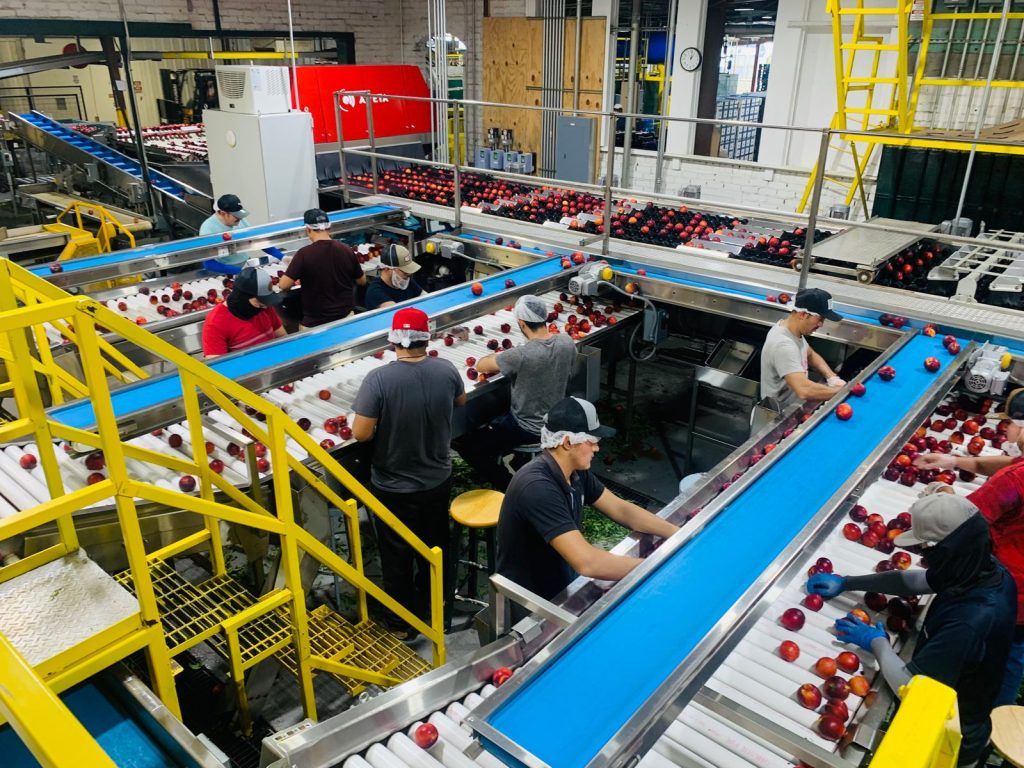
Your website must serve multiple buyer personas simultaneously — make it easy for each to find exactly what they need.
Ready to Grow Your Food Manufacturing Business?
Lillian Group Marketing helps food manufacturers build the digital presence and content strategy needed to attract retail buyers, food service operators, and co-packing clients.
Schedule a Free Strategy CallFrequently Asked Questions
What certifications do food manufacturers need to market to major retailers?
Most major retailers (Walmart, Kroger, Costco) require SQF Level 2 or BRC certification at minimum. Some retailers have additional requirements, such as specific allergen management programs or sustainability certifications. Research the specific requirements of your target retail accounts before investing in certifications.
How do we market our co-packing capabilities without revealing client recipes?
Focus your marketing on your production capabilities, certifications, and quality systems rather than the specific products you produce. Use blind case studies that describe the product category (e.g., ‘a leading organic snack brand’) without naming the client or revealing the recipe.
Is LinkedIn effective for reaching retail food buyers?
Yes. Retail category managers and procurement directors are active on LinkedIn. Targeted LinkedIn advertising allows you to reach these specific job titles at specific retail companies with relevant content about your capabilities and certifications.
How important is sustainability marketing for food manufacturers?
Increasingly important. Major retail buyers are under significant pressure from consumers and investors to source from sustainable suppliers. If you have made investments in sustainable packaging, renewable energy, or waste reduction, these should be prominently featured in your marketing materials.